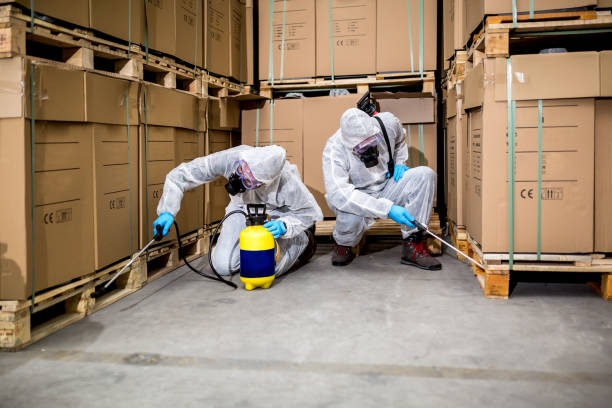
Better Pest Prevention for Commercial Properties
Business owners manage staffing, inventory, customer service, and maintenance every day. Hidden pest activity adds another challenge that can quickly harm profits and reputation. Insects and rodents contaminate products, damage wiring, and create health concerns if ignored. Many organizations depend on commercial pest control to reduce these risks with planned inspections and targeted prevention. When a qualified pest exterminator reviews the site carefully, weak points become easier to fix before infestations spread.
The Value of Early Detection
Pests rarely appear in open spaces until numbers increase. They often stay inside ceilings, wall gaps, utility rooms, or behind equipment. By using commercial pest control before visible signs emerge, businesses avoid emergencies and maintain smoother operations. Scheduled visits allow trends to be tracked across seasons, especially when weather changes drive pests indoors. A professional pest exterminator can spot droppings, nesting materials, grease trails, or moisture sources that employees may overlook.
Industries That Benefit Most
Nearly every industry gains value from prevention, but some face higher pressure than others. Grocery stores must protect packaged goods, healthcare spaces need sanitary conditions, and offices want a comfortable environment for staff. Hotels and entertainment venues also rely on strong impressions. Routine commercial pest control helps these properties maintain standards and reduce complaints. A responsive pest exterminator can adapt service frequency based on traffic levels, building age, and surrounding conditions.
Retail Stores and Showrooms
Retail spaces depend heavily on customer confidence. Shoppers who notice pests may leave immediately and share poor experiences online. Stock rooms with cardboard boxes or food items can attract unwanted activity. Consistent commercial pest control keeps sales areas presentable while protecting merchandise in storage. If issues appear, a pest exterminator can act discreetly and efficiently so daily operations continue.
Offices and Corporate Spaces
Office environments may seem low risk, yet shared kitchens, vending zones, and waste bins can attract insects and rodents. Employees also expect clean, healthy surroundings. With scheduled commercial pest control, managers can address concerns without causing disruption. A trained pest exterminator may recommend better cleaning schedules, sealed food storage, and repairs to cracks or door gaps.
Integrated Prevention Methods
Modern programs rely on more than sprays alone. Exclusion, sanitation, monitoring devices, and habitat reduction are often more effective long term. Commercial pest control usually begins with inspection, then moves into a custom plan based on pest type and building use. A knowledgeable pest exterminator may suggest trimming vegetation, improving drainage, or reorganizing cluttered storage to reduce hiding spots.

Protecting Brand Reputation
Today, customer feedback spreads quickly online. One pest sighting can influence future buyers, tenants, or visitors. Preventive commercial pest control lowers the chance of visible incidents and demonstrates responsible management. Businesses that partner with a dependable pest exterminator often feel more confident during audits, inspections, and client visits.
Employee Involvement Matters
Staff members are the eyes of the building every day. Quick reporting of gnaw marks, unusual smells, or insect sightings can prevent larger problems. Combining awareness programs with commercial pest control creates faster responses and stronger outcomes. Many companies ask their pest exterminator to provide simple training so employees know what signs to report.
Selecting a Service Provider
A strong provider offers communication, documentation, and customized treatment schedules. Owners should ask about response times, follow-up visits, and prevention methods rather than focusing only on price. Effective commercial pest control depends on consistency and detailed observation. A skilled pest exterminator will explain findings clearly and recommend practical improvements that match business operations.
Long-Term Financial Benefits
Reactive treatment often costs more than prevention because damage may already be done. Replacing inventory, repairing equipment, or handling lost business can become expensive. Planned commercial pest control reduces surprise costs and supports better budgeting. Working with a proactive pest exterminator also means fewer interruptions and more stable daily performance.
Conclusion
Pest prevention is an essential part of responsible property management. Whether the site is a shop, office, warehouse, or hospitality venue, ignoring early warning signs creates unnecessary risk. Through organized commercial pest control and expert support from a trusted pest exterminator, businesses can protect people, products, and reputation for lasting success.